
Here is a universal truth: everyone makes mistakes. No matter who you are, no matter how grown or healthy, no matter the circumstances in your life, we all do it. Yet, we live in a culture that seems to not allow people to make mistakes and be forgiven.
In relationships, you will make mistakes and those you love will make mistakes. I don’t think we’re often taught what to do after “I’m sorry.” You can forgive someone, sure, but what if that person can’t forgive themselves? How can we support the people in our lives who make mistakes and apologize?
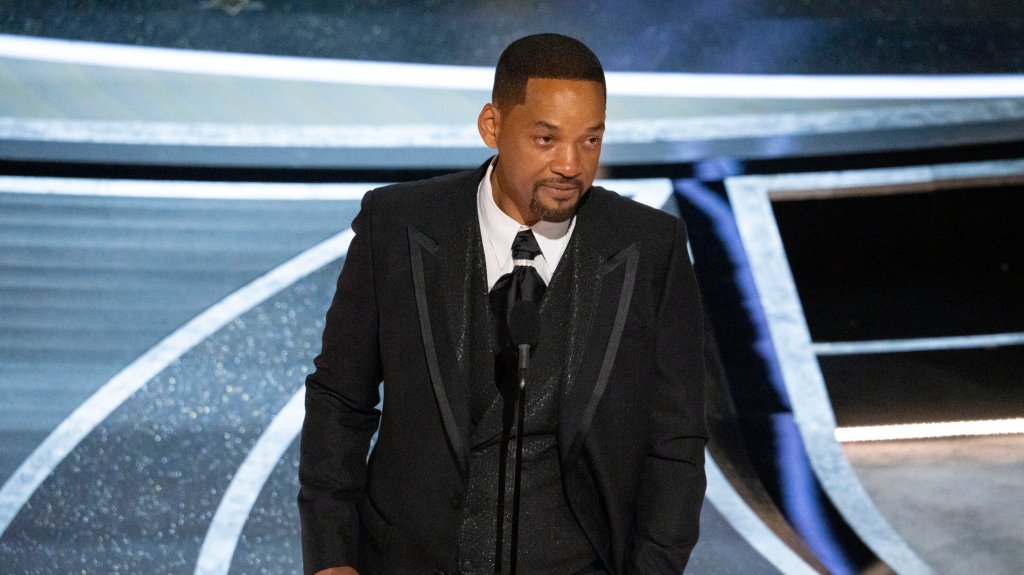
Will Smith

I’m sure that most people know about the slap heard around the world. Will Smith slapped Chris Rock at the Oscars earlier this year after Rock made a joke about Smith’s wife.
It’s been a few months since the public has heard from Smith, and now he finally came out with an apology video.
So, to be honest, I have always been a Will Smith fan. I loved him in Fresh Prince. I’ve been entertained by him in many of his movies. As an Aladdin fan, I was THRILLED when he got cast as the genie.
As many people commented after the slap, he’s spent a lifetime building a wholesome career that included not cussing in his rap songs and spreading love and joy to his fans and those he works with. He’s very transparent and vulnerable with his journey. In my opinion, I think he tries to be authentic and real.
Now, I do not think the slap was okay at all, but I thought it was sad that one moment erased a career of great accomplishments and good outward character. Who knows what any celebrity is really like, but as a public figure, I think Will Smith has always been admirable.
He made a mistake and now he’s apologized for it. Some may say it’s a PR stunt. Others are saying that he’s making it all about him when this should just be between him and Chris Rock.
I think his fans were owed an apology, because they (like me) admired him and then were let down.
But I’m not here to dissect whether Will Smith’s apology was genuine or how we should feel about him now. I think his apology is a good example of what we should do in relationships when someone makes a mistake and then sincerely apologizes. How do we support this person?
Why We Should Be Supportive
Some of you may be thinking, “if the other person made the mistake then why should I be supporting them?”
Because relationships don’t exist without forgiveness.
Here’s the thing, if someone is doing the work to sincerely apologize and take steps to make amends, then I think a way to show forgiveness is what you do next.
Now if someone did something to hurt you and has not apologized, or not sincerely, then it’s up to you whether to forgive or not.
But if you accepted their apology and have decided to forgive them, then I don’t think it stops with an “I forgive you.” It can, but let’s look at Will Smith as an example.
For the sake of discussion, let’s say we all agree and believe that Will Smith’s apology is sincere. He said quite a few things during his apology that really struck me.
“Disappointing people is my central trauma. I hate when I let people down. It hurts.”
“I am deeply remorseful. And I’m trying to be remorseful without being ashamed of myself.”
“I’m human and I made a mistake and I’m trying to not think of myself as a piece of sh*t.”
Not everyone experiences this kind of remorse after making a mistake, but there are plenty who do.
In my last post, I discussed how Type 1s are perfectionists with harsh inner critics so their mistakes deeply affect them. Other types are more or less affected by their own mistakes and it shows in different ways.
Will Smith is a Type 3, and they really desire making others proud of them. They fear being worthless.
For a full list of what each type fears, check out my Enneagram page, which breaks down each type’s key desire, fear, and longing.
The point is that even after the apology, the person who made the mistake can still feel awful for a long time. If you’ve really chosen to forgive them, then let’s look at how to be supportive.
How to Be Supportive

There are many ways to show love and support for those you care about. Every personality type has their own meaningful ways of receiving support, which I will discuss in a later post.
But overall, whether you know that person’s Enneagram type or MBTI, I think Love Languages are a great tool for showing others you care.
Words of Affirmation
Using words of affirmation requires empathy. When you are given an apology, try to understand where that person is coming from. When we sincerely apologize to others, it’s because we feel remorseful and we know we caused some hurtful damage.
Use kind and encouraging words when accepting an apology.
Use your words by saying things like:
“I understand where you’re coming from.” “Thank you for the apology.” “It sounds like you must’ve felt really bad.” “I know you weren’t trying to hurt me.” “You are really brave to apologize.” “You are really humble to be apologizing.” “Thank you for being considerate of me and our relationship.”
Really, the list is endless just as long as you’re being empathetic and using your words to lift the other person up.
Quality Time
When receiving an apology, give your undivided attention. Do not be distracted with your phone or other tasks. If someone is really trying to apologize, show that you are receiving it by being fully present.
Engage in quality conversation. Whereas words of affirmation validates the other person, quality conversation engages a discussion. It’s where you discuss what happened – what was the mistake, why did it occur, do you understand, how do you both feel now? This can be an important step to making the other person feel heard and valued.
Afterward, do a quality activity. If you’ve given your forgiveness and you both want to move on, what better way than to do something fun together? Or maybe it can just be a simple activity you both enjoy. Either way, spending time enjoying one another’s company after a conflict is a great way to reestablish your bond.
Gifts
Gifts are usually associated with the person seeking forgiveness. Often times the person apologizing might bring flowers or some small trinket. But giving a gift can also be a way to show you forgive someone.
Gifts are a visual symbol of love. They are way to show someone you’ve been thinking of them, or that you saw something that reminded you of that person. A gift can be a physical reminder of forgiveness, or even that the relationship is doing well again.
For example, if you know the other person is still beating themselves up, you can give them something thoughtful to show that you still care about them regardless of the mistake that happened.
Acts of Service
An act of service is doing something freely for another person. You did it just because you wanted to. You were not forced into doing the act, and you’re not doing it reluctantly.
When it comes to forgiveness, acts of service can look like making them a meal or buying them dessert. It can be anything you willingly want to do to help make their lives a little easier at the moment.
If you’re stuck on what to do, a great way to figure it out is to simply ask, “What would make you feel better right now?” or “What can I help you with?”
Physical Touch
I think one of the easiest ways to support someone after an apology is physical touch. After they’ve apologized, you can give them a hug to let them know you accept it. You can put your hand on their shoulder to reassure them everything’s okay.
Physical touch is simply any form of physical contact that establishes a connection with the other person. It reassures them that you are available and present.
Particularly for people who still feel hard on themselves after making a mistake, gestures of physical contact can be particularly soothing.
Final Thoughts
You do not have to use every love language to support or comfort someone. If you know that person’s love language, using that one should be enough. If you don’t, you can always ask. If you both don’t know, I never think it hurts to go for quality time. That is statistically the most common love language with gifts being the least common.
Whatever you choose to do, remember that the point is to continue to nurture the relationship. Mistakes happen. Apologies should be sincere. What happens after the apology is up to both of you.
Do you want to forgive and move on? Or do you want to keep them accountable for that mistake forever?
Obviously, there are mistakes that are greater than others, but I think to continue to nurture the relationships in your life, forgiveness is completely necessary. So how will you forgive and nurture those you care about?
Found this helpful and want to learn more about the Love Languages? Check out my Love Languages and Resources pages for more info!
 The Human Connection